

Residential

Residential Male
Residential Female
Residential Male
Residential Female
Residential Program Male Teen

Treatment Plans As Unique As Your Child

No two children are the same—and neither are their struggles. That’s why we create personalized treatment plans designed to meet each child’s unique emotional, behavioral, and mental health needs.
 
We know that navigating treatment options can feel overwhelming. With many levels of care and specialized programs available, our team is here to help guide you toward the best fit for your teen. At The Children’s Home of Reading Youth & Family Services, our goal is to bring peace of mind by providing compassionate, effective care that supports lasting change—for your child and your family.
 

Evidence-Based Therapy That Heals

At the heart of our residential treatment is high-quality, evidence-based therapy. Through safe, supportive relationships, we help youth process trauma—whether it’s something deeply rooted or more recent—that may be contributing to emotional or behavioral challenges.
 
The right therapeutic approach can help a teen shift their perspective, rebuild confidence, and begin to feel in control of their life again. We’re here to walk alongside them—and you—on that journey.

MALE PSYCHIATRIC RESIDENTIAL

Residential

CHORYFS’s Male Psychiatric Residential Treatment Facility offers 24/7 trauma-informed care for adolescent boys with behavioral and mental health needs. Our structured program includes therapy, education, and individualized support to promote healing, growth, and long-term success.
LEARN MORE >>

SHORT-TERM RESIDENTIAL

CHORYFS’s Short-Term Residential program provides 24/7 care for males 12-18 facing homelessness, family conflict, or behavioral challenges. Services include therapy, education, life skills training, and enrichment activities. Stays range from one day to 12 months.
LEARN MORE >>

SPECIALIZED RESIDENTIAL

CHORYFS’s Specialized Residential Treatment Facility (SRTF) provides 24/7 care for males 12-18 with sexual behavior issues. Services include therapy, psychiatric care, education, and life skills training in a trauma-informed setting. Average stay ranges from 12-24 months.
LEARN MORE >>

ENHANCED LEVEL RESIDENTIAL

CHORYFS’s Enhanced Level of Care Residential program provides 24/7 supervised care for males ages 12-18 facing emotional, behavioral, or academic challenges. Services include therapy, life skills training, education, and psychiatric support, promoting stability and community reintegration.
LEARN MORE>>
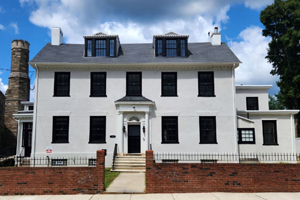
STRUCTURED TRANSITIONAL LIVING

Independent Living Germantown

CHORYFS’s Structured Transitional Living program provides a 16-bed therapeutic environment for males 14-20 transitioning to independence. It offers therapy, life skills training, education, and community engagement, fostering self-sufficiency. Average stay is 6-9 months.
LEARN MORE>>
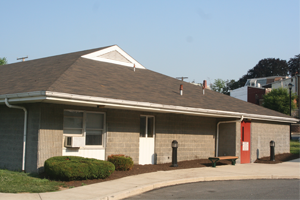
FEMALE PSYCHIATRIC RESIDENTIAL

The Girls Residential Treatment Facility (GRTF) provides trauma-focused care for females ages 12-18 with behavioral and mental health challenges. With 24/7 supervision, therapy, education, and life skills training, the program promotes healing and long-term stability, averaging a 9-12 month stay.
LEARN MORE>>
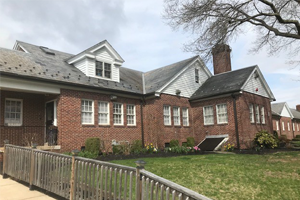
MATHOM HOUSE

Mathom House provides residential treatment for males 13-19 with trauma and sexual behavior issues. Services include therapy, education, and family support using a four-phase model, focusing on rehabilitation and relapse prevention. Average stay is 18 months.
LEARN MORE>>
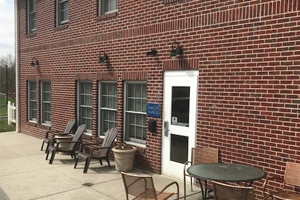
EASTON MANOR

Residential

Easton Manor is a transitional living facility for adolescent males with sexually problematic behaviors. It provides therapy, academics, and life skills training, focusing on community reintegration. Services include CBT, DBT, family therapy, and specialized assessments, with a 12-month average stay.
LEARN MORE>>
PATHS

Residential

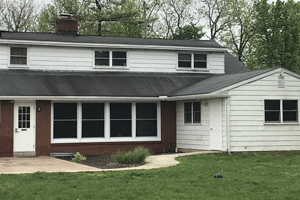
PATHS is an 8-bed group home for males 10-17 with sexually problematic behaviors. It offers therapy, life skills training, community integration, and academic support. Using a trauma-informed approach, the program focuses on rehabilitation, with an average stay of 14 months.
LEARN MORE>>

Pre-placement interviews are routinely required prior to admission.

Contact Admissions at 610-478-8266, ext. 458.

FAQS

Inpatient hospitalization is short-term and focused on stabilizing immediate crises like self-harm or suicidal thoughts.
 
Residential Treatment (PRTF) is a longer-term option that helps teens build coping skills and work through challenges in a structured, therapeutic environment.
 
Unlike hospital stays, PRTFs offer ongoing therapy, social opportunities, and recreational activities to support lasting growth and healing.
Parents, legal guardians, clinical providers, case management agencies, hospitals, and insurance companies can refer a child to our program. A current psychiatric evaluation recommending Residential Treatment (RTF) as medically necessary is required.
 
Our admissions team works closely with families and providers to determine if our services are the right fit. All prospective youth are interviewed as part of the process. Please note, we are not able to accept emergency placements.
We work with most commercial insurance plans if the following conditions are met:
  • The insurance plan authorizes Residential Treatment (RTF)
  • The child has secondary insurance (such as Medical Assistance)
  • The behavioral health Managed Care Organization (MCO) approves the treatment
Our admissions team can help verify coverage and guide you through the authorization process.
Most admission decisions are made within a few business days. However, if Medicaid approval is required, the process may take longer.
 
Our team works closely with county agencies and case managers familiar with our programs to help move things along. Delays can occur if referral information is incomplete or if there are scheduling conflicts outside our control.
We serve youth with a variety of mental health diagnoses, including mood and anxiety disorders. Common diagnoses include ADHD, PTSD, depression, bipolar disorder, and attachment disorders.
 
Admission depends not just on diagnosis, but also on the youth’s functional abilities and treatment needs. Our team carefully reviews each referral to ensure our program is the right fit.
Staying connected is an important part of the healing process. Family therapy is a key component of our program, and we encourage ongoing involvement.
 
Parents and guardians can visit campus, speak with their child by phone, and participate in scheduled family leaves. Our clinical and case management team will work closely with you to coordinate therapy sessions, calls, visits, and time off-campus.
We provide a parent handbook that outlines what items are allowed on campus. If you’re unsure about a specific item, we encourage you to check with your child’s clinician or case manager before bringing or sending anything.
All Direct Care Staff complete a comprehensive two-week training that includes both classroom instruction and hands-on experience. Training covers First Aid/CPR, Medication Administration, Safe Crisis Management (SCM), trauma-informed care principles, and the CASSP framework.
 
Staff also complete ongoing re-certifications to ensure safe, effective, and compassionate care.
We understand that academics can be a major source of stress for many youth in treatment. That’s why we work closely with each student, their teachers, and caregivers to create a supportive learning environment tailored to their needs.
 
Our certified teachers follow all Individualized Education Plans (IEPs) and collaborate with clinical staff to ensure each child receives the academic support they need to stay on track and succeed.

For more information, click here.

Our 5-acre campus has the feel of a private school or small college. While the Administration building remains open during business hours, our residential dorms and other buildings are secured—doors are locked from the outside and alarmed to ensure safety.
 
Staff accompany youth as they move around campus, including trips to school, the gym, and clinical offices. Residents also have opportunities to participate in supervised community activities throughout the Reading area.
Participation in any spiritual or faith-based activity is completely optional. As part of the admissions process, families are asked to complete a consent form indicating their preferences.
 
We offer on-campus Bible study and visits to community churches, mosques, and other places of worship for those who choose to participate. A non-denominational chapel is also available on campus for quiet reflection or optional services.
Family involvement is an essential part of the healing process, and we strongly encourage it every step of the way. We welcome families to stay connected through regular phone calls, visits, and active participation in treatment.
 
As part of your child’s care, families are required to participate in weekly family therapy sessions with the assigned clinician and attend monthly treatment team meetings. Your involvement helps support your child’s growth, healing, and long-term success.
Therapy is an important part of daily life at CHOR. Each youth participates in:
  • One individual therapy session per week
  • One family therapy session per week
  • Three clinical group sessions per week
  • One allied therapy group per week (such as art or recreation therapy)
In addition, youth attend two case management groups and meet biweekly with their case manager for life skills development.
 
Our clinicians, case managers, and supervisors have offices located within the dorms to provide frequent access, support, and engagement throughout the day.
At CHORYFS we use a trauma-informed approach that focuses on building trust, promoting accountability, and encouraging positive behavior.
 
We believe in guiding youth with clear expectations, consistent support, and opportunities to learn from their choices. A point-based behavioral system is used to reinforce healthy, pro-social behaviors and help youth achieve their therapeutic goals in a safe, supportive environment.
At CHOR YFS (Children’s Home of Reading Youth & Family Services), we are committed to respecting and protecting the rights of every child and family we serve.
 
Clients and their families are informed of their rights at the start of services in a way that is clear and easy to understand. We believe that honoring these rights is essential to building trust, promoting dignity, and supporting the healing process.